Jump to section
Short answer:
- A functional yard in Helena starts with grading and drainage planning suited to the region’s clay soils and seasonal freeze-thaw cycles.
- Zoning outdoor space into distinct areas (patio, planting beds, walkways) improves usability without requiring a full redesign.
- Working with a local landscape professional helps match plant choices and hardscape materials to Helena’s climate conditions.
Homeowners searching for ways to improve their outdoor space often want a yard that works harder for daily life, not just one that looks appealing in photos. A well-planned Landscape in Helena, MT balances practical needs like drainage, foot traffic, and seasonal maintenance with the visual character of the surrounding Montana landscape. Getting this balance right typically starts with understanding the site before any digging begins.
Montana’s growing conditions present real planning challenges. The state sits across several USDA plant hardiness zones, and Helena’s elevation and continental climate mean landscape plans need to account for cold snaps, limited precipitation, and a shorter growing season than much of the country, according to the USDA Plant Hardiness Zone Map. Ignoring these factors early in the planning process is one of the most common reasons yard projects underperform.
Start With Site Assessment Before Design
A practical yard begins with understanding what the land is already doing, not what a homeowner wishes it would do.
- Drainage patterns: Note where water pools after rain or snowmelt before placing patios, beds, or structures.
- Sun and shade exposure: Track how light moves across the yard through the day, since this affects both plant survival and usable seating areas.
- Soil composition: Helena-area soils often include heavier clay content, which affects how quickly water drains and how roots establish.
- Existing grade: Identify slopes that could cause erosion or runoff toward the foundation.
Skipping this step often leads to costly fixes later, such as regrading a patio that was poured before drainage issues were identified.
Zoning the Yard for Daily Function
One of the simplest ways to make a yard more usable is to divide it into purpose-driven zones rather than treating it as one open space.
- Entertaining zone – A patio or gathering area positioned to take advantage of afternoon shade or evening sun.
- Transition paths – Walkways connecting the house, garage, and garden areas to reduce wear patterns on grass.
- Planting zones – Beds grouped by water and sun needs, which simplifies irrigation and maintenance.
- Utility zone – A discreet area for compost, storage, or equipment that keeps the main yard uncluttered.
This zoning approach works for both small lots and larger properties because it prioritizes how the space gets used rather than how much space is available.
Choosing Materials and Plants That Fit the Climate
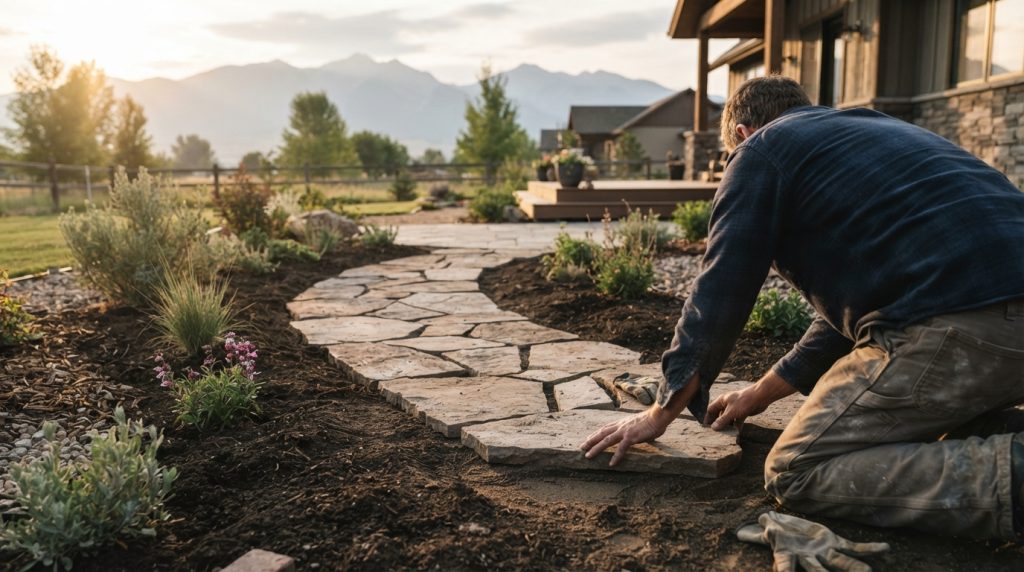
Material and plant selection has a direct effect on how much upkeep a yard requires over time. Hardscape materials like concrete pavers or natural stone tend to hold up well through Helena’s freeze-thaw cycles when installed with proper base preparation, while poorly drained installations are more prone to heaving.
| Feature | Low-Maintenance Option | Higher-Maintenance Option |
| Walkways | Interlocking pavers | Loose gravel without edging |
| Planting beds | Native/drought-tolerant perennials | High-water annual beds |
| Lawn areas | Reduced-turf zones with groundcover | Full turf requiring frequent watering |
| Borders | Steel or stone edging | Wood edging (shorter lifespan) |
Choosing plants suited to the region’s conditions reduces the need for constant replacement and watering, which matters in a climate where water use and seasonal dryness are ongoing considerations for homeowners.
Sequencing the Project for Long-Term Results
Functional yards are rarely built in a single weekend, and trying to do everything at once often leads to mismatched results.
- Start with grading and drainage corrections first, since these affect everything built afterward.
- Install hardscape elements (patios, walkways, retaining structures) before planting beds.
- Add irrigation lines before finishing softscape work to avoid disturbing new plants.
- Finish with planting and mulching once hard structures are set.
This sequencing reduces rework and helps each phase support the next rather than competing with it.
Frequently Asked Questions
How do I know if my yard has a drainage problem? Standing water more than 24 hours after rainfall, soggy patches near the foundation, or erosion channels across the lawn are common signs that grading or drainage needs attention before other landscape work begins.
What yard improvements have the biggest impact on usability? Creating clear zones for sitting, walking, and planting tends to improve daily usability more than adding decorative features, since it reduces wasted space and traffic conflicts.
Do I need a professional for yard planning, or can I DIY? Smaller tasks like mulching or planting are often manageable independently, but grading, drainage corrections, and hardscape installation benefit from professional assessment due to Helena’s soil and climate conditions.
When is the best time of year to start a landscape project in Helena? Spring and early summer are common planning windows, since they allow hardscape work to cure and plants to establish before winter weather arrives.
A functional yard in Helena comes down to sequencing decisions correctly: understanding the site, zoning the space, choosing climate-appropriate materials, and building in the right order. Homeowners who want guidance matching these principles to their own property can review the services offered by Great Northern Landscaping, a local provider serving the Helena area.