Jump to section
Summary:
• Metal fabrication covers cutting, welding, forming, and assembling raw metal into finished parts or structures for construction and industrial use.
• Project outcomes depend on material selection, equipment capability, and the fabricator’s ability to meet load, finish, and tolerance requirements.
• Buyers in Regina should confirm turnaround time, material sourcing, and welding certifications before committing to a shop.
Selecting a metal fabrication partner means matching a shop’s equipment, material expertise, and turnaround capacity to the specific demands of a project. The right choice reduces rework, keeps budgets predictable, and ensures finished parts meet load and tolerance specifications.
Anyone comparing Metal Fabricators Regina options typically needs clarity on three things: what materials a shop can handle, what equipment is on-site, and whether past work matches the scale of the current job. These factors matter more than price alone, since a fabricator that lacks the right press brake or welding certification can turn a simple order into a delayed one.
What Metal Fabrication Actually Involves
Fabrication is the process of cutting, bending, machining, and joining raw metal stock into a finished component or structure. Common techniques include:
• Shearing and laser or plasma cutting to size sheet or plate stock
• Press brake forming to create bends, flanges, and channel shapes
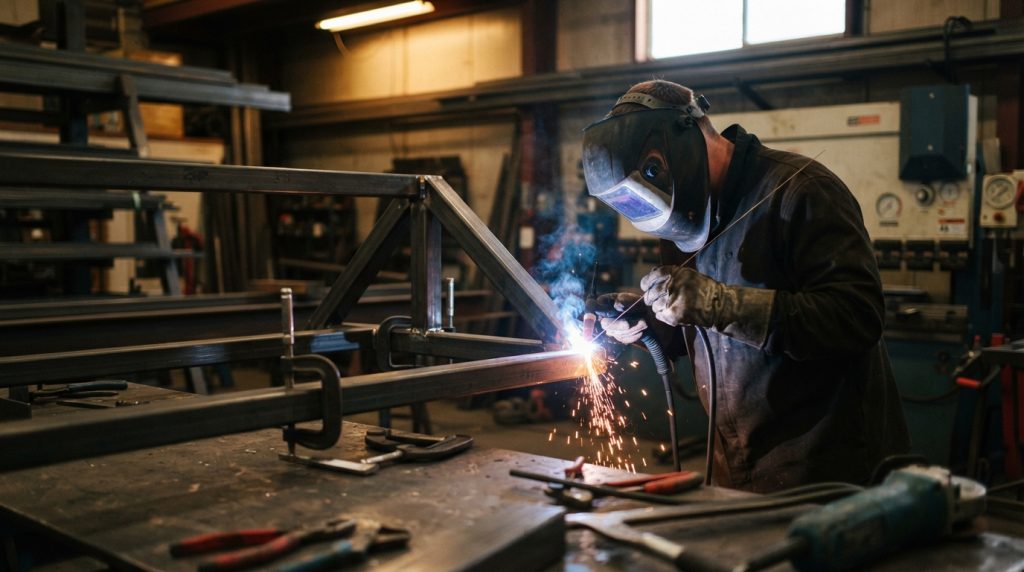
• MIG, TIG, or stick welding to join pieces into a complete assembly
• Finishing steps such as grinding, deburring, or surface coating
Each step requires different equipment and operator skill, so a shop’s capability list is a practical starting point when narrowing choices.
Matching Capability to Project Type
Not every fabricator handles every job equally well. Structural steel for a building frame demands different equipment and welding procedures than thin-gauge sheet metal for an enclosure or bracket.
| Project Type | Typical Material | Key Process | Common Use |
| Structural steel | Carbon steel beams/plate | Welding, cutting | Building frames, platforms |
| Sheet metal parts | Aluminum, mild steel | Laser cutting, forming | Enclosures, brackets |
| Custom fixtures | Stainless, aluminum | Welding, finishing | Equipment stands, railings |
| Repair/retrofit | Mixed metals | Cutting, welding | On-site structural repair |
Confirming which row applies to a given project narrows the search considerably and avoids paying for capability that is not needed.
Questions to Ask Before Hiring a Fabricator
A short set of questions can reveal whether a shop is set up for a specific job:
1. What gauge or thickness range does the equipment support.
2. Are welders certified to a recognized structural or pressure code.
3. What is the typical lead time for cutting, forming, and assembly.
4. Can the shop supply material, or does the client need to provide stock.
Welding quality is not just a shop preference; it is governed by recognized standards. The American welding society publishes codes that many structural and industrial fabrication contracts reference for weld procedure qualification and inspection.
Regional Considerations for Regina Projects
Cold winters and freeze-thaw cycles in Regina can affect outdoor steel installations, particularly welded joints and coated surfaces exposed to temperature swings. Buyers sourcing fabricated parts for exterior use should ask how a shop accounts for thermal expansion and corrosion protection in its material and coating choices.
Based in USA, Allwynn Steel serves customers across Regina, a relationship worth noting since many fabrication shops ship or deliver finished components rather than operating a storefront in every market they serve. Confirming delivery logistics and any site-measurement process up front helps avoid mismatched parts on arrival.
Frequently Asked Questions
How long does a typical custom fabrication order take? Lead times vary by complexity, material availability, and current shop workload; simple cut-and-bend parts often move faster than multi-step welded assemblies.
Does the client need to supply material? Some shops source steel, aluminum, or stainless stock directly, while others work from client-supplied material; confirming this before quoting avoids delays.
What finish options are available on fabricated parts? Common options include raw mill finish, grinding, powder coating, or galvanizing, depending on the end-use environment and corrosion exposure.
Is welding certification necessary for structural work? Structural and load-bearing applications generally call for certified welding procedures, since uncertified work can affect code compliance and insurance coverage.
Business Info
The business is listed as a metal fabrication provider, with published details outlining its service offerings and area of operation.
Final Note
Availability and service-area details are published on a current business profile. Visit Allwynn Steel’s website for more information.