From sudden storms to grid failures, power outages can strike unexpectedly, disrupting daily life and business operations across the United States. Whether you’re concerned about safeguarding your home’s essential electronics or maintaining uninterrupted productivity in a commercial environment, reliable backup power has become a necessity. Many Americans searching for dependable solutions often enter the phrase “Ups Power Supplier” to find ways to ensure their homes and businesses remain powered during outages.
Understanding Uninterruptible Power Supply (UPS) Systems
A UPS, or Uninterruptible Power Supply, is a device designed to provide backup electricity when the main power source fails. It acts as a bridge, keeping critical devices running until the primary power is restored or a generator takes over. UPS systems come in various sizes and capacities, making them suitable for small home offices, large data centers, and everything in between.
Key Benefits for American Homes
For homeowners, a UPS system offers several advantages:
- Protection of Sensitive Electronics: Many modern appliances, computers, and entertainment systems are vulnerable to sudden power loss. A UPS prevents data loss and hardware damage.
- Continued Connectivity: In an era of remote work and online education, uninterrupted internet access is crucial. A UPS keeps routers and modems running during short outages.
- Safety and Security: Security systems, smart locks, and surveillance cameras remain operational, ensuring ongoing protection even when the lights go out.
Essential Backup for Businesses
Businesses, regardless of size, rely on a steady power supply to avoid costly downtime and productivity losses. A UPS power supplier can help organizations by:
- Maintaining Workflow: Cash registers, point-of-sale systems, and computers stay active, allowing business to continue seamlessly.
- Protecting Data: Critical files, transactions, and customer information are safeguarded from corruption or loss caused by abrupt shutdowns.
- Supporting Compliance: Many industries have regulatory requirements for data protection and business continuity. A UPS assists in meeting these standards.
How a UPS Power Supplier Supports Reliability
Choosing the right UPS power supplier involves more than just selecting a device. Knowledgeable suppliers guide customers through:
1. Assessment of Needs: They evaluate the specific power requirements for a home or business, ensuring the selected UPS can handle all critical loads.
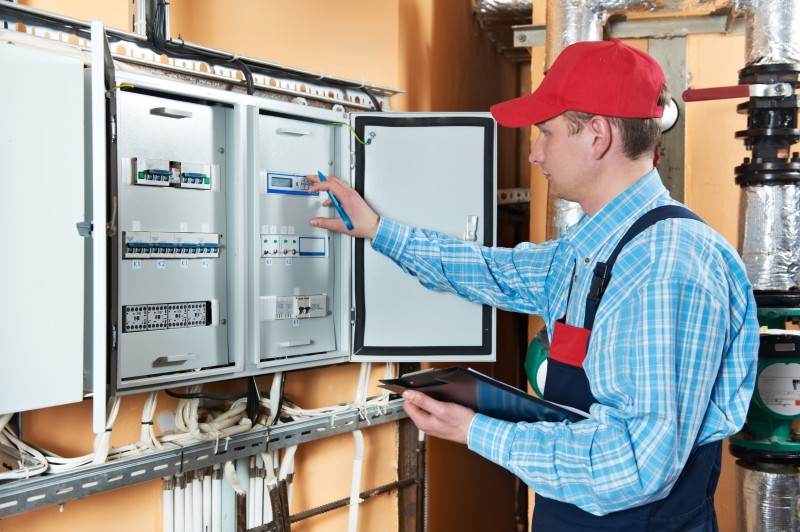
2. Installation and Integration: Proper setup is crucial for seamless backup. Suppliers often provide installation services, integrating the UPS with existing electrical systems.
3. Maintenance and Support: Regular maintenance ensures the UPS remains in optimal condition, and reliable suppliers offer support and troubleshooting when needed.
4. Scalability: As needs grow, a reputable supplier can recommend upgrades or additional units, adapting the backup system to evolving demands.
Choosing the Right Solution
When searching for a UPS power supplier, consider factors like system capacity, battery life, and warranty options. It’s also essential to evaluate the supplier’s reputation for customer service and technical expertise. By prioritizing these elements, American homes and businesses can invest in backup solutions that offer peace of mind and operational continuity.
Reliable backup power is not just a convenience—it’s a safeguard against uncertainty in a world where uninterrupted electricity has never been more important. With the right UPS system and the support of a knowledgeable supplier, both homes and businesses can face power outages with confidence, knowing that their essential operations and devices will remain protected and functional.